
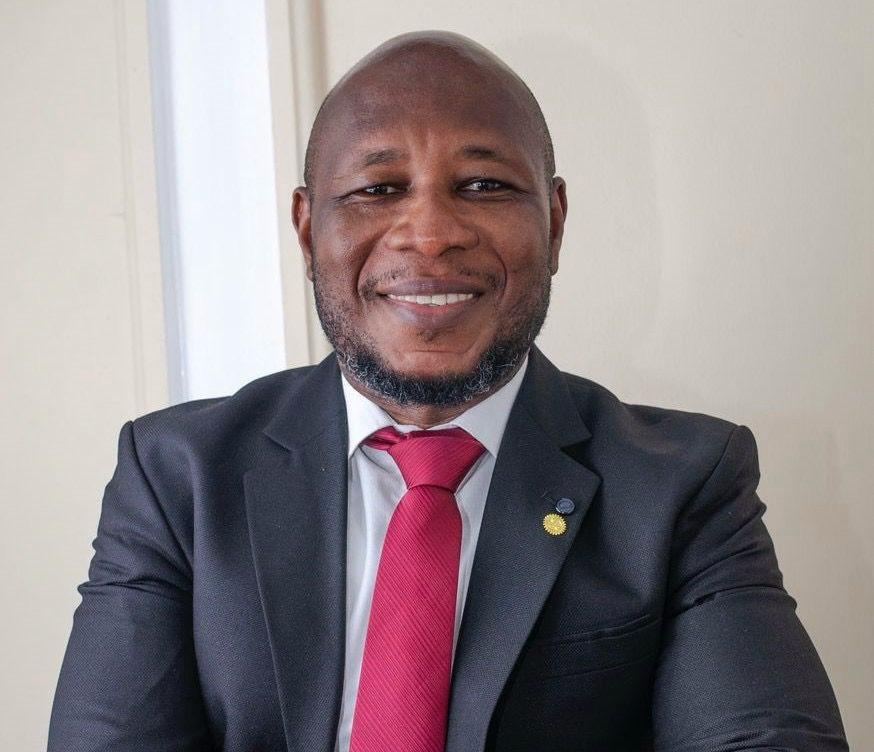
An Economist at the Kwame Nkrumah University of Science and Technology, Kumasi (KNUST) Professor Eric Fosu Oteng-Abayie of the Department of Economics, has cautioned that Ghana’s recent macroeconomic stability, though commendable, may not translate into long-term development without urgent reforms to public expenditure.
In an analysis of Ghana’s fiscal outlook, Prof. Oteng-Abayie stated that the country has made significant strides in stabilising key macroeconomic indicators.
‘‘Inflation has declined sharply to 3.3 percent, the Ghana cedi has stabilised against the US dollar, and the policy rate has been reduced to 14 percent,’’ he said. ‘‘Additionally, Ghana recorded a primary surplus of 2.6 percent of GDP at the end of 2025, with public debt falling to 45.3 percent of GDP.’’
He said the improvements provide a foundation for recovery but warned that the composition of government expenditure remains misaligned with development priorities.
According to Prof. Oteng-Abayie, nearly 70 percent of public spending is absorbed by employee compensation and debt servicing, leaving only about 5 to 8 percent for capital investment in infrastructure, technology and other productive sectors.
He described the situation as a paradox in which government meets wage obligations while critical investments in roads, schools, healthcare and digital infrastructure remain underfunded, undermining service delivery and productivity.
The economist said the consumption-driven spending pattern continues to exert fiscal pressure, often resulting in increased borrowing that crowds out private sector investment. Despite reductions in the policy rate, commercial lending rates remain high, between 22 and 24 percent, limiting access to credit, particularly for small and medium-sized enterprises.
Prof. Oteng-Abayie distinguished between macroeconomic stabilisation and fiscal structure, noting that while Ghana has made progress in stabilising key indicators, resource allocation remains skewed. He said fiscal consolidation has largely been achieved through cuts in capital expenditure, as wage-related spending is more rigid.
He warned that without reform, Ghana could experience a prolonged period of modest growth, persistent infrastructure deficits and slow private sector expansion.
To address the imbalance, Prof. Oteng-Abayie called for a strategic reallocation of public spending, including measures to manage the wage bill through payroll audits, digital human resource systems and stronger links between compensation and productivity.
He also urged policymakers to protect and expand capital expenditure through fiscal rules that prioritise investment, alongside reforms in public investment management to ensure value for money.
While acknowledging the role of public-private partnerships, he said such mechanisms should complement, not replace, fiscal discipline.
Prof. Oteng-Abayie said Ghana stands at a critical fiscal crossroads and urged policymakers to channel recent macroeconomic gains into productive investments that can drive sustained economic growth.
| Story: Abigail Ofori | Photos: Isaac Kwaku Duah (URO) |


